What's different about Seaforth gardens
The first thing is the ground. Seaforth is sandstone country and the land is properly hilly — a lot of blocks are stepped, with terraces and retaining dropping towards the water. That means working around levels, planning the clean-up path, and bringing the gear that suits the slope rather than fighting it.
The second thing is the bush. Garigal National Park runs along the northern border of the suburb, and reserves like Bantry Bushland Reserve and the big Manly Dam bushland sit right alongside Seaforth. A lot of back fences are effectively reserve boundaries. The bushland here is classic Sydney sandstone country — ridgetop woodland under scribbly gum and red bloodwood, gully forest under angophora, with sandstone heath in between. Bantry Reserve even holds a patch of the threatened Duffy's Forest community, and the broader Manly Dam bushland is one of the richest pockets on the Beaches. That's great for privacy and for wildlife, but it also means native seedlings blow in from next door, and if you want a clean lawn line you have to stay on top of it.
And it brings the wildlife right up to the back door. Around the Seaforth bushland you'll get brushtail and ringtail possums, swamp wallabies, long-nosed bandicoots, the odd echidna, and plenty of skinks. The possums will help themselves to the citrus if you let them. Most of it is harmless and good to have around — it's part of why people live up here.
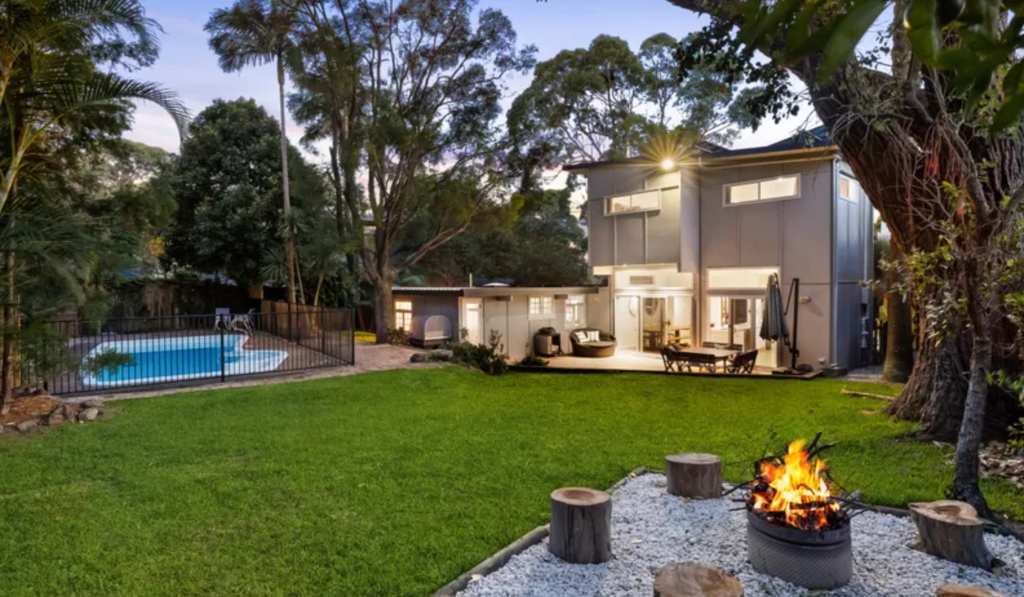
Houses in Seaforth are overwhelmingly standalone — close to nine in ten dwellings are detached — so these are proper family gardens with real ground to look after, not courtyards.